

Introduction
Everywhere online, you see ads shouting Shein Discount Code and Temu Discount Code offering massive discounts on trendy clothes. It’s tempting to grab a $3 top or $5 sneakers. But have you ever wondered about the real environmental cost behind these cheap deals?
Shein and Temu have become huge names in fast fashion. They attract millions of shoppers with low prices, endless options, and quick delivery. But as more people care about sustainability, one big question arises: Which brand is more sustainable, Shein or Temu?
Let’s take a closer look at how these two brands operate, what they claim about being eco-friendly, and what’s really happening behind the scenes.
The Rise of Ultra-Fast Fashion
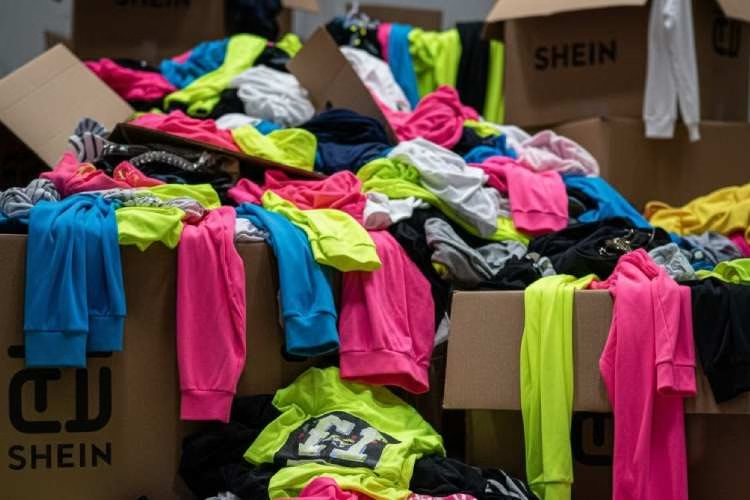
A few years ago, fast fashion brands released new collections every few weeks. Now, Shein and Temu upload thousands of new items every single day. Their model is simple: cheap clothes, quick shipping, and nonstop trends.
But this convenience comes at a huge cost. Producing and shipping clothes so quickly leads to massive textile waste and high carbon emissions.
In fact, global clothing production has doubled since 2000, but the average piece is worn only seven times before being thrown away. This wasteful cycle shows why sustainability in fashion is becoming so urgent.
So, can Shein and Temu balance affordable fashion with eco-friendly practices? Let’s find out.
Shein’s Sustainability Claims Progress or Just PR?
Shein Discount Code Meets Green Promises
Shein often promotes its 2024 Sustainability & Social Impact Report. The brand claims to be using recycled materials, reducing packaging waste, and aiming for a 25% cut in Scope 3 emissions by 2030.
That sounds positive, but the data tells a different story.
According to Reuters, Shein’s transport emissions increased by 13.7% in 2024, mainly because it depends heavily on air freight. So while the brand talks about sustainability, its total emissions are still rising.
Shein was also fined in the European Union for making misleading eco-friendly claims. This raises serious concerns about greenwashing when brands market themselves as sustainable without real proof.
Although Shein shows some transparency, many experts say its small improvements don’t make up for the massive pollution caused by fast production.
Shein is trying to look greener, but there’s still a long way to go before it truly becomes sustainable.

Temu’s “Climate Silence”
Temu Discount Code and Hidden Costs
Temu, owned by PDD Holdings, is Shein’s biggest rival and has quickly gained global attention. Its app tops download charts, and shoppers love its low prices and generous Temu Discount Code deals.
But when it comes to sustainability, Temu stays almost completely silent.
Groups like Greenpeace report that Temu provides no sustainability report, no emissions data, and no supplier transparency. Without this information, it’s impossible to know its real environmental impact.
Experts say Temu’s model — selling very cheap, mass-produced products shipped long distances — likely means a large carbon footprint.
Temu might not be “greenwashing,” but its silence is just as worrying. Shoppers deserve to know how their clothes are made and at what cost.
In short: Temu’s lack of data makes it one of the least transparent fashion giants in the world.

Beyond Carbon, The Real Cost of Ultra-Fast Fashion
Sustainability is not just about carbon emissions. It’s also about waste, water, and worker rights.
Fast fashion creates about 92 million tons of textile waste every year, and most of it comes from brands like Shein and Temu. Many of these clothes end up in landfills after being worn just a few times.
Then there’s the human cost. Reports suggest that some factories linked to ultra-fast fashion have unsafe working conditions, long hours, and low wages.
So even when you use a Shein Discount Code or Temu Discount Code to save money, someone else may be paying the price — through poor labor conditions or environmental harm.
True sustainability means ethical production and fair labor, not just eco-friendly materials.
Shein vs Temu, Sustainability Scorecard
| Criteria | Shein | Temu |
| Sustainability Report | Published (2024) | None |
| Emission Disclosure | Partial (Scope 1–3) | None |
| Greenwashing Issues | Fined in EU for false claims | Criticized for no data |
| Supply Chain Transparency | Low | Very Low |
| Use of Recycled Materials | Limited, growing slowly | Unknown |
| Labor Ethics | Questioned | Unverified |
Quick Verdict
Shein performs slightly better because it reports some data and goals.
Temu scores lower due to a complete lack of transparency.
But both are still part of the fast fashion problem overproduction and waste.
What Experts and Consumers Say
Experts from Greenpeace, Earth.org, and Business & Human Rights Watch agree that fast fashion cannot be truly sustainable under its current model.
A Greenpeace analyst even called Temu’s silence a “climate blackout.”
On the other hand, many shoppers online share mixed feelings. On TikTok and Reddit, people say they love the bargains they find with a Shein Discount Code or Temu Discount Code, but they also feel guilty about overbuying and waste.
Consumers clearly want both affordable prices and ethical choices but that balance doesn’t exist yet.
How Shoppers Can Make Better Choices
While Shein and Temu continue their fast growth, we can still shop more responsibly.
Easy Ways to Shop More Sustainably
- Buy Less, Choose Well: Pick quality pieces that last instead of chasing quick trends.
- Check Labels: Look for organic cotton, linen, or certified recycled fabrics.
- Don’t Fall for Green Claims: Don’t just trust a Shein Discount Code or Temu Discount Code — check for certifications like GOTS, Fair Trade, or OEKO-TEX.
- Thrift or Swap: Try secondhand stores or local sustainable brands.
- Ask Brands Questions: Demand transparency — it pushes brands to do better.
Every purchase is like a small vote. You can choose between fast, cheap fashion or a cleaner, fairer world.
Final Verdict, Who Wins the Sustainability Battle?
So, which brand wins Shein or Temu?
Shein takes a small lead for being a bit more transparent, but even then, its emissions are rising. Temu doesn’t share enough data to prove it’s doing anything sustainable.
In truth, neither brand is truly sustainable. Both rely on a business model that encourages buying more and throwing away more.
Before clicking “Buy Now,” ask yourself —
Are you saving money, or costing the planet its future?
FAQ:
Q1: Is Shein more sustainable than Temu?
Shein has published some sustainability goals and data, while Temu has not. However, Shein’s emissions are still growing, so neither brand can be called eco-friendly.
Q2: Does using a Shein Discount Code or Temu Discount Code help the environment?
Discount codes save money, not the planet. Sustainability depends on buying less and choosing better.
Q3: What are the best eco-friendly alternatives to Shein and Temu?
Try certified sustainable brands, local designers, or secondhand fashion platforms that use ethical materials and fair labor practices.
No Comments
Leave Comment