
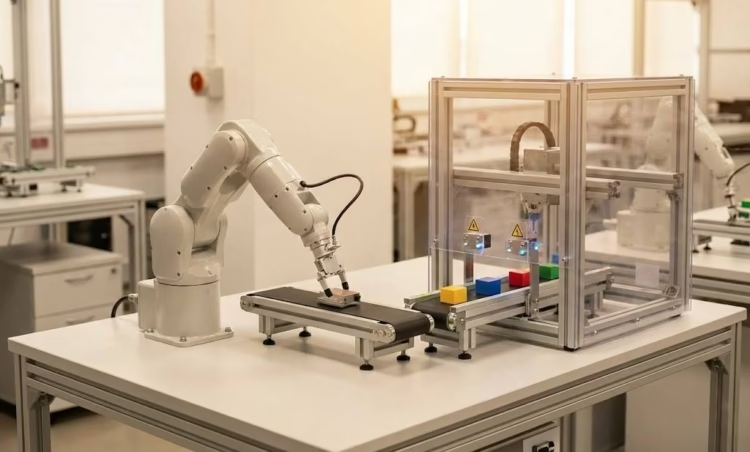
Robots can seem like magic. Automation can sound like a big grown up word. But when we put them together as Robotics & Automation, the idea is actually easy. It’s about machines helping people do work faster, safer, and sometimes in ways humans can’t.
Think of it like having a team of metal helpers and smart computer routines that follow steps on their own. Kids use automation every day without even noticing. Timers on tablets, reminders on phones, and doors that open by themselves are tiny examples. Let’s explore how all of this works in a way that feels friendly and clear.
What Robotics & Automation Really Mean
Easy definitions kids can remember
Robotics is the field where people build and program machines that can move and sense the world. Automation is when machines or software follow steps by themselves without someone telling them what to do each time.
How robots and automation are connected like “body and brain”
A robot is the “body.” Automation is the “routine” the robot follows. Put them together and you get a metal helper that can lift, roll, grab, sort, or explore.
Why people everywhere care about Robotics & Automation
These tools help make cars, grow food, deliver packages, and even help doctors. They help people save time and avoid danger.
The Main Parts That Make Robots Work
Sensors that help robots see, hear, and feel
Sensors act like robot senses. Cameras work like eyes. Microphones work like ears. Touch pads work like skin. These senses help robots understand where things are.
Actuators that move robot arms, wheels, and tools
Actuators are small machines inside robots that help them bend, turn, push, or lift. They work like robot muscles.
Control units that act like tiny robot computers
A control unit is the brain of the robot. It reads information from sensors and decides what to do next.
Power systems that keep robots alive
Robots run on batteries, wires, or even solar power. Without energy, they can’t move at all.
How Robotics & Automation Work Step by Step
Sensing the world
The robot gathers information with its sensors.
Planning what to do
The control unit decides the next move based on what it sensed.
Moving or acting
The actuators move the robot’s parts to get the job done.
Checking their work and improving
Robots measure the result. Some use learning software to get better over time.
A Short and Friendly History of Robotics & Automation
Early inventions and cool ideas from long ago
Long before modern robots, ancient inventors built machines powered by wind and water. They were simple but showed early human creativity.
The first real robot helpers in factories
In the 1960s, a robot named Unimate worked in a car plant. It lifted hot metal pieces that were too risky for people.
Modern robots we see today
We see robots that vacuum floors, sort boxes, and guide shoppers in stores.
What scientists are building for tomorrow
Researchers are creating soft robots that move like animals, tiny robots that swim inside pipes, and smart machines that work with people side by side.
Different Kinds of Robots We Use Today
Factory robots that build cars and machines
These robots are strong and fast. They weld, lift, and put pieces together.
Home robots like vacuums and lawn helpers
These robots take care of small chores. Some even map your house.
Medical robots that help doctors
These robots help with tiny movements during surgeries.
Farm robots like drones and smart tractors
Drones check crops from above. Tractors steer themselves in straight lines.
Space robots that explore places humans can’t reach
Rovers travel on other planets. They study rocks and search for clues about space.
How Automation Helps in Real Life
Automation in stores
Scanning robots check shelves. Packing machines sort items. Delivery bots bring boxes to doors.
Automation in schools
Coding robots help kids learn problem solving. 3D printers create models for class projects.
Automation in hospitals
Machines move supplies around hallways. Systems track medicine to keep patients safe.
Automation in warehouses
Robots carry bins, check barcodes, and line up items for packing.
Simple automation kids already use
A timer that shuts off a game. A light that turns on when you walk by. A message that pops up when it’s time to stretch.
Robotics & Automation in Jobs Kids Might Have One Day
Robot technicians
These workers fix and maintain robots.
Software programmers
They write the code that tells robots how to behave.
Data scientists
They help machines learn from patterns.
Drone pilots
They guide flying robots for farms, photos, and science.
Engineers
They design new machines, tools, and systems.
Comparing Things Helps Us Learn Faster
Robotics vs. Automation
Robotics is the machine. Automation is the routine.
AI vs. Robots
AI is thinking. Robots are moving.
Home robots vs. factory robots
Home robots are gentle. Factory robots are strong.
Human skills vs. robot skills
Humans imagine, design, and care. Robots repeat, lift, and measure.
Why Robotics & Automation Make Life Safer and Better
Doing dangerous jobs
Robots handle risky tasks like lifting heavy items or exploring deep oceans.
Helping with careful jobs
Medical robots help doctors stay steady during tiny movements.
Working nonstop
Machines keep going when people need sleep.
Freeing humans to be creative
When machines handle boring steps, people can focus on ideas and teamwork.
Robots and humans as a team
Many robots, called cobots, work right beside humans.
Common Worries People Have About Robotics & Automation
“Will robots take every job?”
Robots take boring or dangerous tasks. People still handle creativity and problem solving.
“Are robots safe around people?”
Many robots are made with safety sensors that stop them when someone gets too close.
“Can robots replace feelings?”
No. Robots can learn patterns, but they don’t feel.
“Do robots always need AI?”
Some do. Some don’t. Simple robots just follow steps.
FAQ About Robotics & Automation
What is a robot in the easiest terms?
A robot is a machine that can sense and move.
How do robots know what to do?
They follow code made by people.
Why do factories use robots so much?
Robots repeat tasks with steady speed and accuracy.
What are the most common types of robots?
Factory arms, home robots, drones, medical helpers, and exploration rovers.
What’s the difference between Robotics & Automation?
Robotics is the machine. Automation is the routine it follows.
How do sensors help robots?
Sensors tell robots what’s around them.
A Short Takeaway Kids Can Remember
Robots are helpers. Automation is the routine they follow. Together they make work safer, faster, and easier for everyone.
No Comments
Leave Comment